Exploring the Function of an Arborist: Key Services for Tree Well-being and Upkeep
An tree specialist is indispensable for preserving tree well-being and durability. They apply specialized skills to examine trees and create specific care plans. This includes trimming, detecting diseases, and handling soil health. Tree care professionals play a major role in fostering sustainable tree growth. Their knowledge not only enhances the beauty of landscapes but also supports ecological health. Grasping their main offerings can highlight the significant impact they have on developed and undeveloped environments alike.
The Importance of Arborists in Tree Maintenance

Even though many residents may overlook the function of arborists, their knowledge is crucial for preserving tree vitality and longevity. Arborists are certified experts who focus on the care and management of trees. Arborists have in-depth expertise of tree life science, diseases, and environmental conditions affecting development. By evaluating tree health, arborists can spot potential issues, ranging from pest problems to nutrient deficiencies.
Their offerings encompass a variety of essential tasks, including soil management, tree assessments, and comprehensive maintenance plans. Arborists also play a significant role in ensuring trees are planted in correct locations, considering elements such as sunlight, drainage, and space for growth. Their advice allows homeowners make informed choices that encourage sustainable tree growth. context information By investing in arborist services, homeowners not only enhance the visual appeal of their landscapes but also contribute to the ecological balance of their surroundings, ensuring trees flourish for future generations.
Fundamental Tree Pruning Methods
Proper tree pruning techniques are essential for maintaining healthy and flourishing trees. Tree specialists utilize various methods to enhance tree structure, encourage growth, and remove dead or diseased limbs. One key technique is crown reduction, which involves carefully cutting back branches to improve light penetration and air circulation. A further significant technique is raising the crown, where low-hanging branches are cut back to improve clearance and viewing areas. Furthermore, the practice of crown trimming decreases the overall mass of a tree’s canopy, lessening pressure while preserving its form.
It is also vital to time the work; it is usually best to prune during its resting phase in the period between late winter and early spring. This limits the amount of sap leakage and promotes robust development. Arborists suggest utilizing sanitized, keen equipment to create clean incisions, which aids in preventing harm to the tree. Ultimately, these vital techniques not only improve aesthetic appeal but also contribute greatly to the tree's general well-being and long-term survival.
Planting and Transplanting Trees
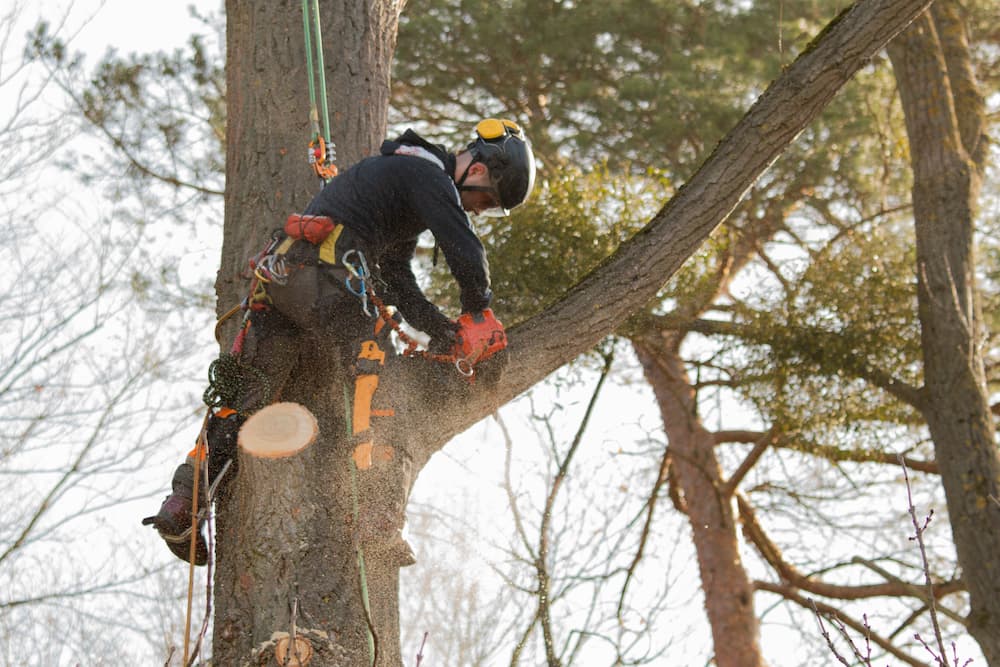
When looking at the installation of new trees, appropriate planting and relocation practices are vital for guaranteeing their successful growth and assimilation into the environment. Arborists emphasize the importance of choosing the correct type of tree for the location's environment, as well as making sure the planting pit is prepared well. The hole must be sufficiently broad to fit the entire root ball, facilitating natural root spread and aeration
When transplanting, precautions must be observed to limit damage to the root system, which can hinder a tree's ability to become rooted in the new location. Arborists recommend transplanting during the period of dormancy to lower the impact on the tree
(Florence Arborist)After planting or relocation, proper watering and mulching are necessary to facilitate the tree's successful rooting. Arborists also advise monitoring the tree’s growth and altering tending methods as needed to secure a smooth integration into the surrounding environment, which helps create a flourishing environment
Spotting Tree Maladies and Bugs
How can one effectively identify the indicators of tree maladies and pests? Arborists employ a deep knowledge of the science of trees and surrounding influences to diagnose these issues. Symptoms such as leaves changing color, slowed development, or premature leaf drop usually point to deeper troubles. Furthermore, the existence of abnormal formations, such as cankers or galls, might suggest an illness or insect activity.
Arborists also examine the bark for sores, bores, or sawdust-like material, which might indicate bugs are at work. Examining the soil and the surrounding area helps identify factors causing stress, like insufficient drainage or nutrient deficits. Knowledge of seasonal patterns is crucial, as certain pests appear at particular times.
Arboricultural Health Evaluations and Maintenance Plans
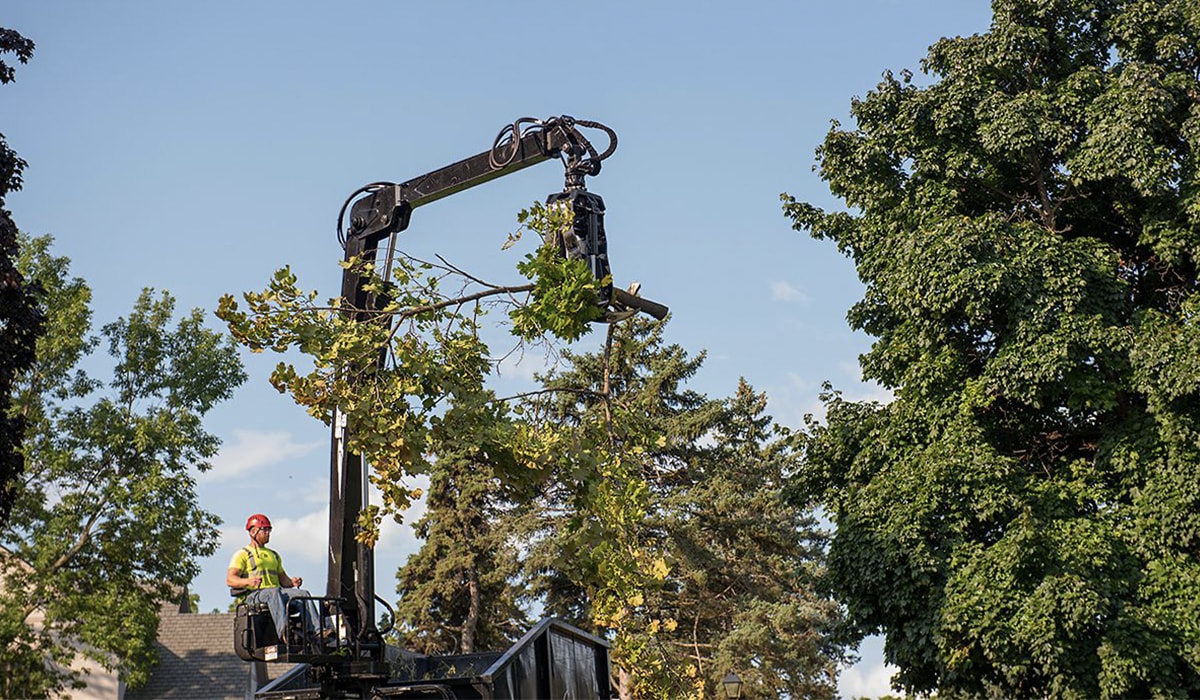
What strategies can be implemented to maintain ideal tree health? Certified arborists usually commence by performing detailed tree health checks, which include a close inspection of the tree's overall state, including its structure, canopy, and root network. The inspection aids in recognizing potential concerns such as diseases, pests, or environmental stressors. Once the inspection is complete, a specific management strategy is formulated, focusing on individual needs
Typical elements of these programs include proper watering schedules, nutrient application methods, and cutting methods to improve growth and resistance - Florence Arborist. In addition, experts often advise mulching and soil management to enhance the availability of nutrients and keep the soil damp. Consistent observation is crucial, which permits modifications to the care strategy when circumstances shift. By putting these techniques into practice, the well-being and lifespan of trees can be substantially bettered, making sure they flourish in their environment and also adding to the broader ecosystem
The Function of Tree Specialists in Urban Forestry
Arborists play an essential role in managing city trees by caring for and keeping up the condition of trees within metropolitan areas. Their expertise contributes greatly to the environmental balance and visual appeal in city environments. Tree specialists participate in planting trees, making certain the selection of species is suitable based on local conditions and city development requirements. They conduct regular health assessments to recognize pathogens, harmful pests, and physical defects, implementing targeted treatments to boost the well-being of the trees.
In addition, arborists develop and execute maintenance plans that include trimming, feeding, and watering, improving tree growth and survival. They further instruct the public regarding the value of trees and proper care practices. Through cooperation with urban developers and conservation agencies, arborists contribute to sustainable urban development, promoting biodiversity and enhancing the quality of the air. Their job is essential in creating green spaces that serve both the community and the ecosystem, resulting in stronger urban habitats.
FAQs
What is the Best Way to Find a Certified Arborist Near Me?
In order to locate a professional tree expert in your vicinity, you can look through online databases, consult local nurseries, or get in touch with tree care organizations. Make sure to confirm credentials and look at testimonials to confirm high-quality work.
What Credentials Should I Seek in an Arborist?
If you are hiring an arborist, you ought to check for certifications like ISA or ASCA, relevant experience, liability protection, and a solid reputation via testimonials. This expertise guarantee professionalism and expertise in tree care and upkeep.
Is There a Best Time for Tree Pruning?
Pruning trees works best during the end of winter or the beginning of spring when trees are resting. Nevertheless, some species do well with summer pruning. The schedule is based on the tree type and unique development cycles to encourage well-being and structure.
How Much Do Arborist Services Typically Cost?
Arborist services typically cost between $300 and $1,500, influenced by things like tree size, location, and the difficulty of the job - Florence Arborist. Costs can fluctuate significantly based on local market needs and service provider expertise
Am I Able to Do Tree Work Without Professional Help?
Certainly, people are able to handle basic tree care without professional help, such as watering and mulching. But, for advanced procedures, like pruning or diagnosing diseases, it is advisable to hire a qualified tree expert to guarantee tree health.